3
The Third Local Path
The implementation of the pilot projects co-designed with and for the local communities
A relevant aspect discussed by the project partners was the necessity of mobilising additional resources in order to sustain and potentially multiply the local strategies co-designed
Crowdfunding: a method to sustain the local action plans through the mobilisation of additional resources from the territories
A glance at the results

A glance at the results
The local action plans implemented by SPUR partners proved to be successful both in overall quantitative terms, referring to the number of people reached and the target groups involved, and in qualitative terms, due to the concretisation of what had emerged during the local consultations.
Some territories of implementation showed a higher response in quantitative terms with regards to participant numbers than others; nevertheless the initiatives implemented transversally present characteristics of sustainability and scalability, representing the impetus for a future further spread of the impact of the project.
The feedback collected during the implementation proves a diffused raise in the awareness towards participatory paths of social rehab, as well as a shared willingness in continuing the process of urban revitalisation in the local contexts interested by SPUR project.

A glance at the results
A total number of
595 people
participated in the pilot actions implementationAlthough the vast majority was composed of adults and elders, the number of young people engaged highly increased with respect to the previous implementation phases
Although the vast majority was composed of adults and elders,
the number ofyoung peopleengagedhighly increased
with respect to the previous implementation phases
353
participants werewomenwhile235
wheremen353
participants werewomenwhile
235
wheremenFrom
12 different countries



A glance at the results
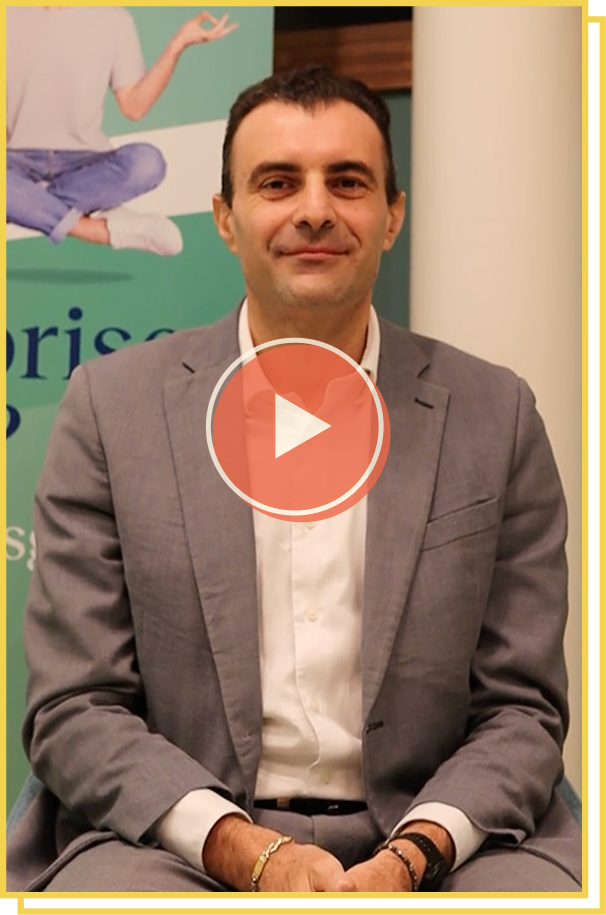
The Metropolitan City of Milan coordinated the pilot actions implementation within the three towns of its metropolitan area where the SPUR project has been realised. Legnano ran a pilot in the Canazza neighbourhood to reduce seniors’ isolation and re-engage teenagers and young adults through a new neighbourhood library (within Spazio 27b). Cormano focused on the Fornasè public-housing neighbourhood, using co-design with residents and local associations to strengthen community ties. It co-created a programme of festive, food-sharing gatherings in the shared gardens (Orti Condivisi) and the municipal Community Center. Cinisello Balsamo ran its pilot mainly at the Cultural Center Il Pertini, using focus groups and participatory co-design to engage seniors (65+) and young people (under 35) and strengthen intergenerational ties. It started with informal open chess sessions and then held a chess tournament bringing older and younger residents together. It also organised “Pertini Summer Fest”, a co-created indoor/outdoor community festival with games (FIFA, Magic, Pokémon), crafting and creative workshops, and social activities.Etterbeek focused on the implementation of the Participation Forum, the “In’Etterbeek” activities, and the launch of the new consultative councils as parts of a coherent and integrated strategy to strengthen citizen participation in Etterbeek, especially the participation of marginalised communities as well as of people with migratory backgrounds in the civic life of the Municipality.
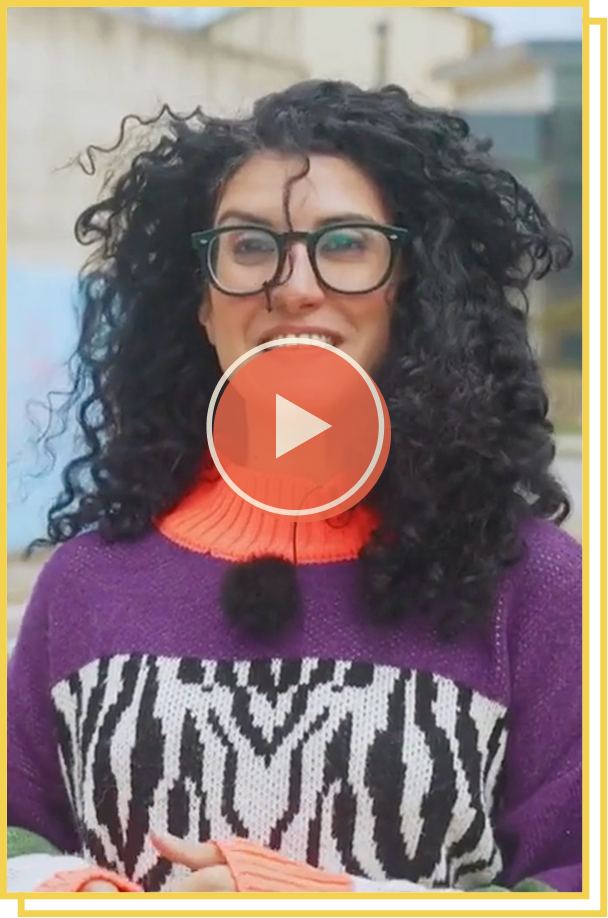
Fondazione Comunitaria Agrigento e Trapani focused on the implementation of activities combining civic participation, community engagement, cultural regeneration, and youth empowerment through the active involvement of local stakeholders such as Europe Direct Trapani, the Biblioteca Sociale di Villaseta, the Comunità Pastorale Villaseta–Monserrato, CESVOP, and several grassroots groups. Each action was designed to respond to specific local needs—strengthening the sense of belonging, revitalizing public spaces, fostering intergenerational exchanges, and enhancing social and emotional skills.
The Grad Vodnjan/ città di Dignano placed particular emphasis on the new participatory budgeting platform, which is in the final phase of updating and implementation and will soon be launched on the official website of the City. Participants had the opportunity to see the full range of functionalities offered by the platform and how the platform will serve as a channel for more transparent dialogue and joint planning.A practical exercise was also carried out with the participants, in which they jointly created content for the online platform.In this way, the functionalities of the platform were tested and, at the same time, understanding of participatory budgeting as a process was strengthened. Very positive feedback was collected on the platform itself and its potential to enhance cooperation between the City, local committees, associations and citizens. Based on this experience, the City will officially launch a pilot participatory process with citizens during the coming year.
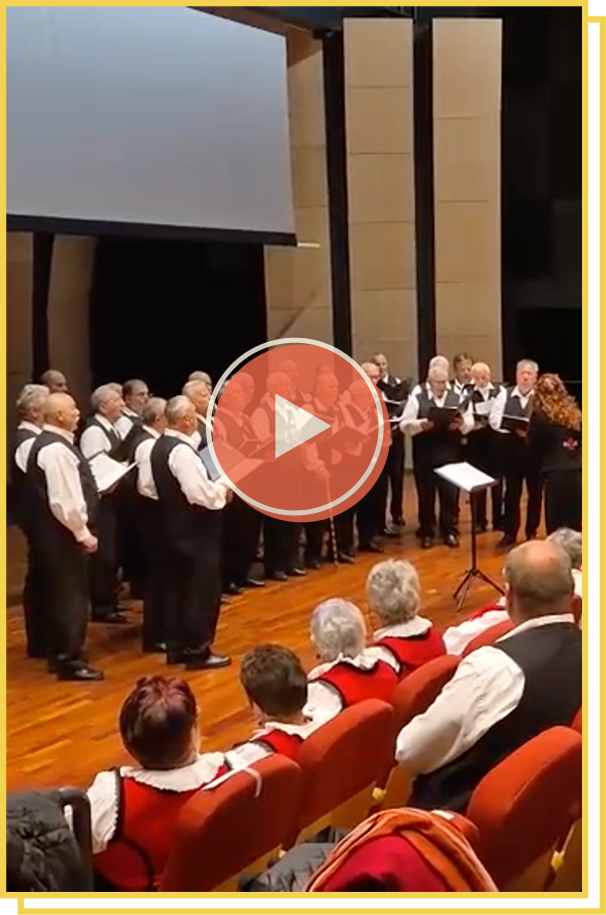
The Harghita County Council focused on the organization of thematic programs referred to elders’ wellbeing; the expansion of the Funding program for Youth Activities- that supports young people and their initiatives in order to help them become active citizens in the development of local communities-; the expansion of the the activities of the three cultural institutions subordinated to the Council- Harghita County Cultural Center, Harghita County Heritage Resource Centre, Cultural and Art Centre of Lăzarea - by launching non-reimbursable grant programs aimed at supporting cultural activities in their respective regions; the expansion of support for the organisation of community meetings through the church choir’s activities. These actions contributed to strengthen community ties and to support local programs aimed at supporting the youth and elders role within the community.
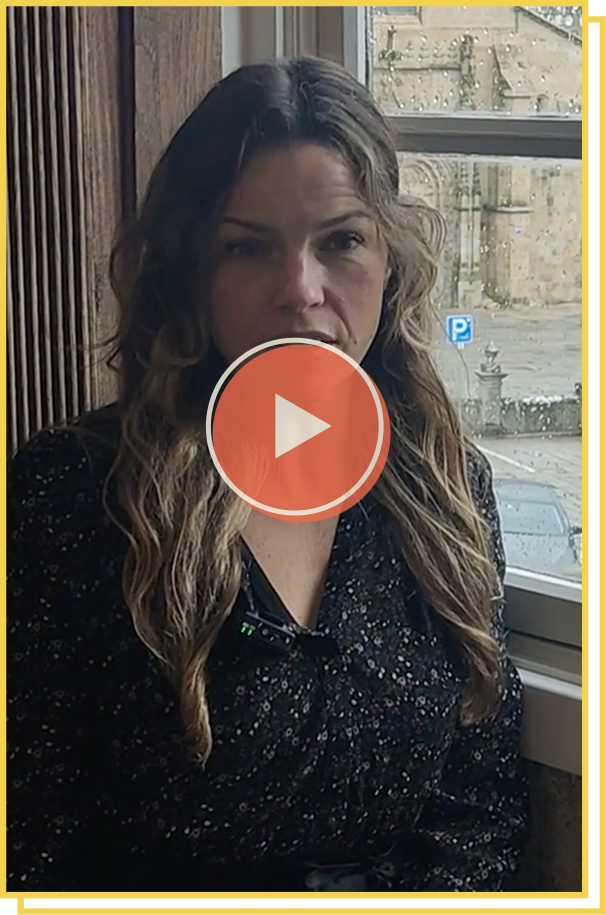
Vila do Conde focused on the implementation of activities regarding health and psycho-fiscal wellbeing targeting both old people and youth, such as yoga sessions, respiratory and vaccination educational sessions, physical activities adapted to low mobility conditions, healthy and economic eating laboratories, breakdance lessons. These activities aimed at enhancing self-awareness and body and mind consciousness as crucial elements for strengthening the sense of care within the social housing neighborhood where the activities have been implemented, thus to strengthen the community ties among the inhabitants.
The experiences gained and the participatory evaluation conducted during the implementation have proved to be crucial in order to organise a meaningful moment to share the outcomes and the lessons learned from the Third Local Path (WP6) that will take place during the Fourth International Event in Brussels, fostering the peer-exchange among the partners of the project’s consortium.
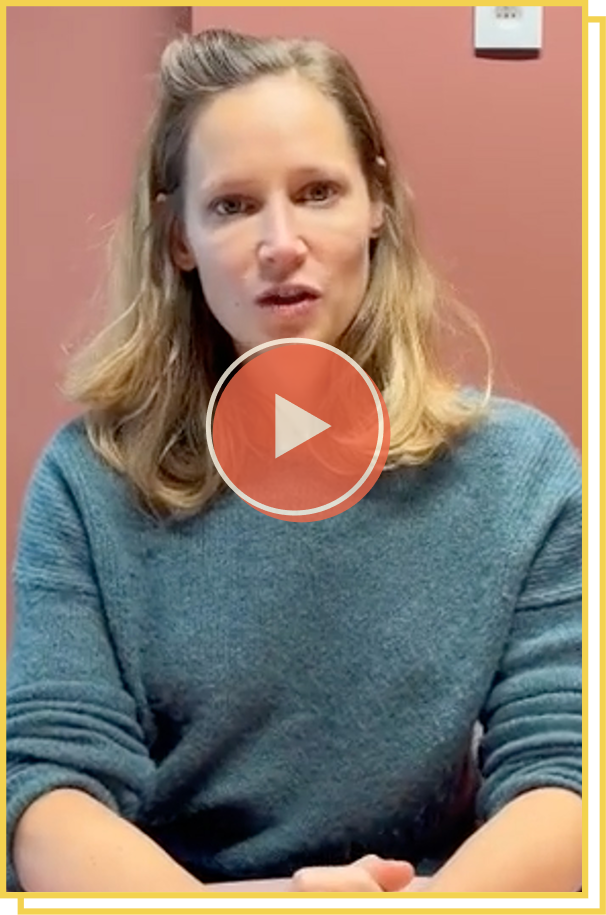
belgium
Municipality of Etterbeek
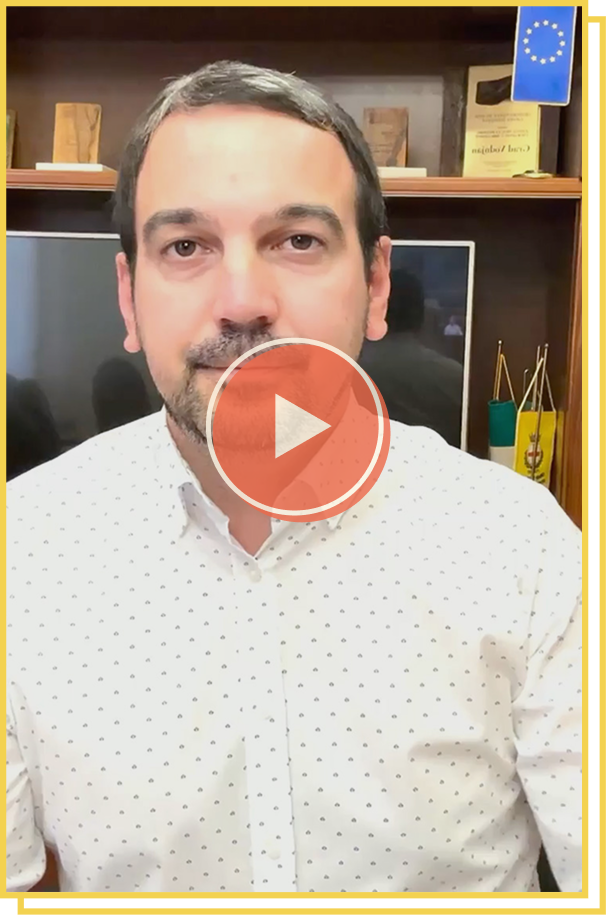
croatia
Grad Vodnjan/ Città di Dignano
italy
Fondazione Comunitaria Agrigento e Trapani
italy
Metropolitan City of Milan
portugal
Vila Do Conde
romania
Harghita County

IMPLEMENTED BY