loader image
1

The first local path

A participatory assessment of the local communities’ needs and expectations in the contexts of implementation

Voices from the project partners

belgium

Municipality of Etterbeek

READ
croatia

Grad Vodnjan / Città di Dignano

READ
italy

Fondazione Comunitaria Agrigento e Trapani

READ
italy

Metropolitan City of Milan

READ
portugal

Vila do Conde

READ
romania

Harghita County

READ
belgium

Municipality of Etterbeek

READ

croatia

Grad Vodnjan/ Città di Dignano

READ

italy

Fondazione Comunitaria Agrigento e Trapani

READ

italy

Metropolitan City of Milan

READ

portugal

Vila Do Conde

READ

romania

Harghita County

READ

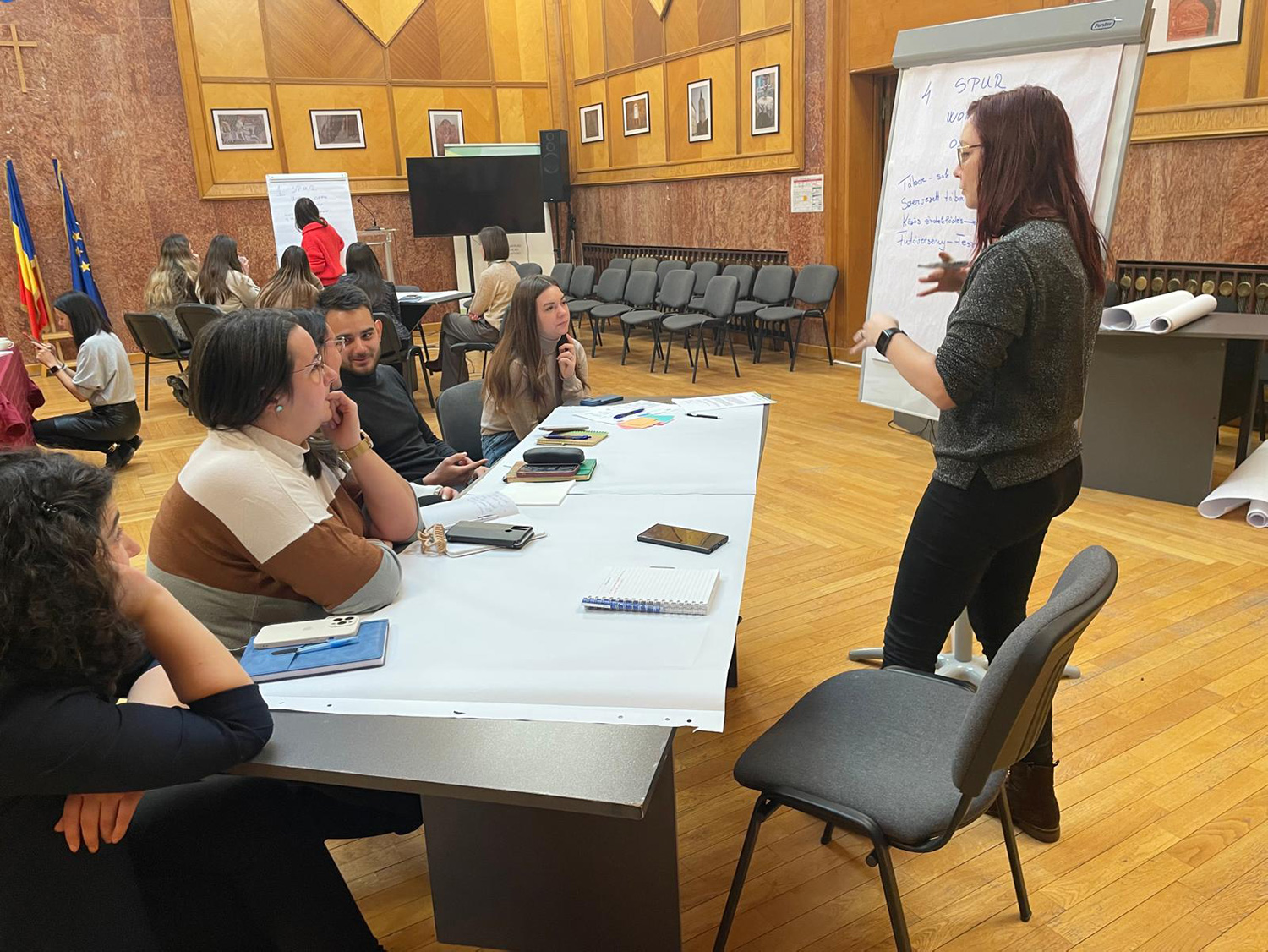
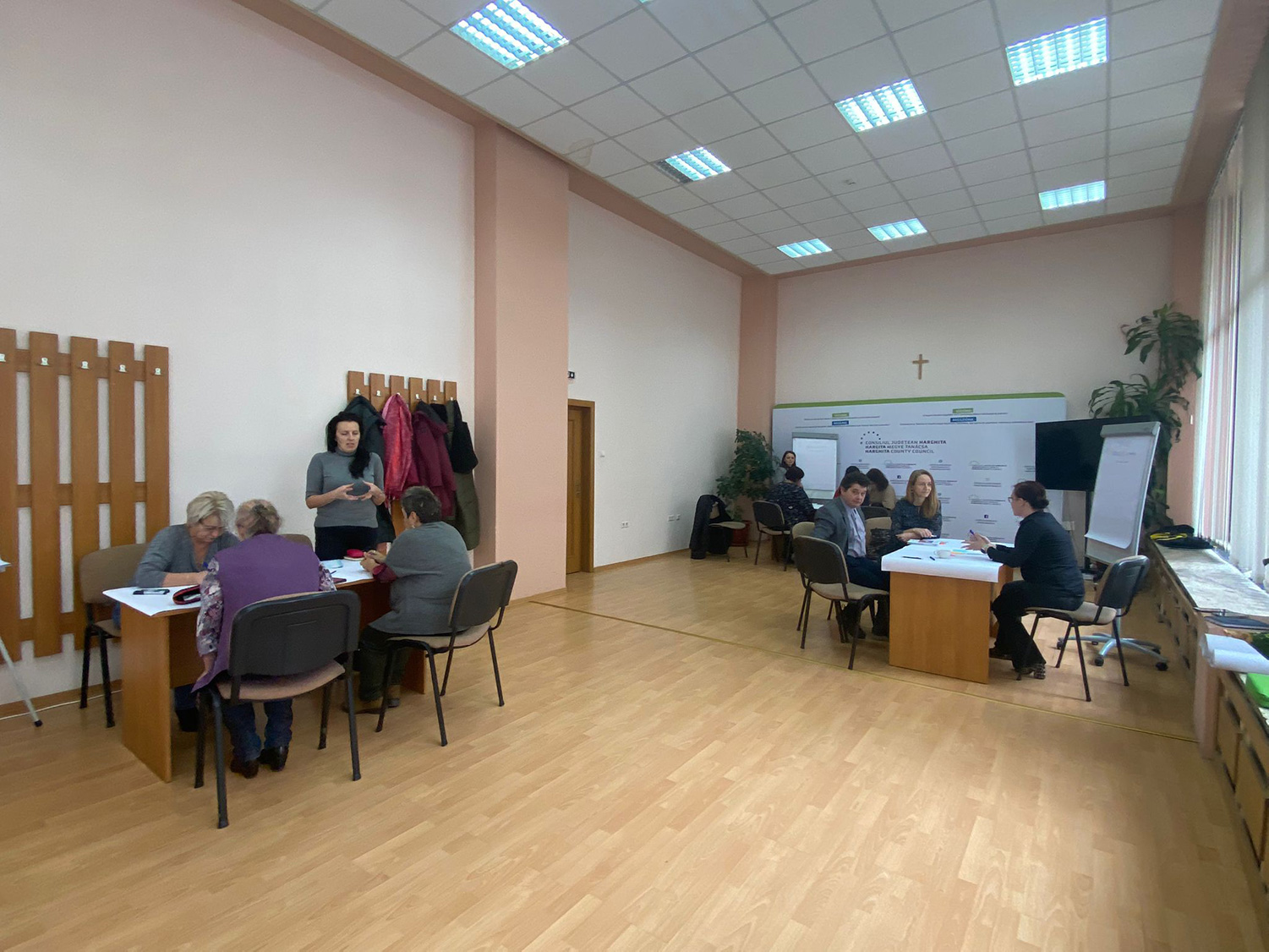
During the first months, needs analysis were conducted in the local communities through a survey and participatory methods such as the focus groups

Voices from the Territories

Vila do Conde

Portugal

Etterbeek

Belgium

Agrigento

Italy

Metropolitan City of Milan

Italy

Grad-Vodnjan / Città di Dignano

Croatia

Harghita County

Romania

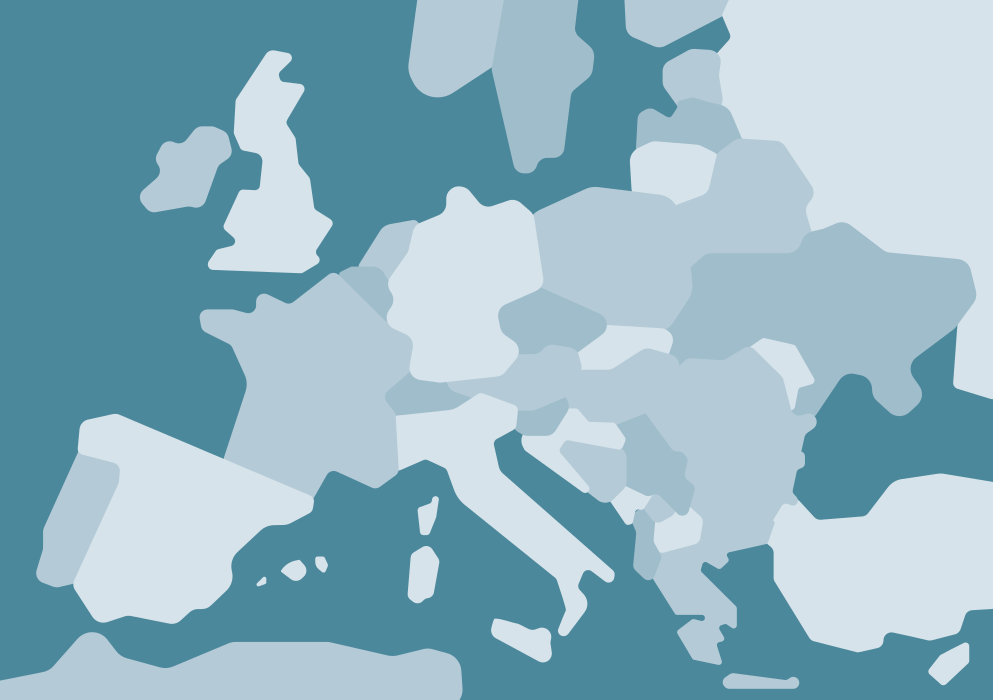
The map summarises the key information from the contexts of implementation and the main findings of the needs' assessment phase, during the first months of the project

The participatory mapping of the needs and wishes in the territories of implementation highlighted both structural inequalities and elements of resilience of the local communities emerged during the Covid-19 pandemic.

What can we do in order to reduce the former while enhancing the latters, learning how to deal with such events that shock the social fabric and how to build more just societies?

IMPLEMENTED BY

Grad Vodnjan/ Città di Dignano - Croatia

Context:
In the city of Vodnjan-Dignano the suburbs indicated are Barbariga–Betiga, Majmajola and Stanza Cecilia. There has been a big increase in the need for home help and psychological help. These neighbourhoods are settlements where mostly elderly people live, and the COVID pandemic has affected the fact that younger family members have drastically reduced the visits to the elderly who live in these settlements. In general, apart from the worse economic situation, there has been a greater isolation of old people (majorly old women).
Therefore, the municipality has activated assistance services aimed to help elderly marginalised people (e.g. home help, geronto housewives- humane and continuous support to the living of elderly persons of this municipality).
The focus is to help elderly people but there are most definitely some ways to improve youths’ position regarding the Youth Council with which Vodnjan municipality has good cooperation.

Expertise and good practices:
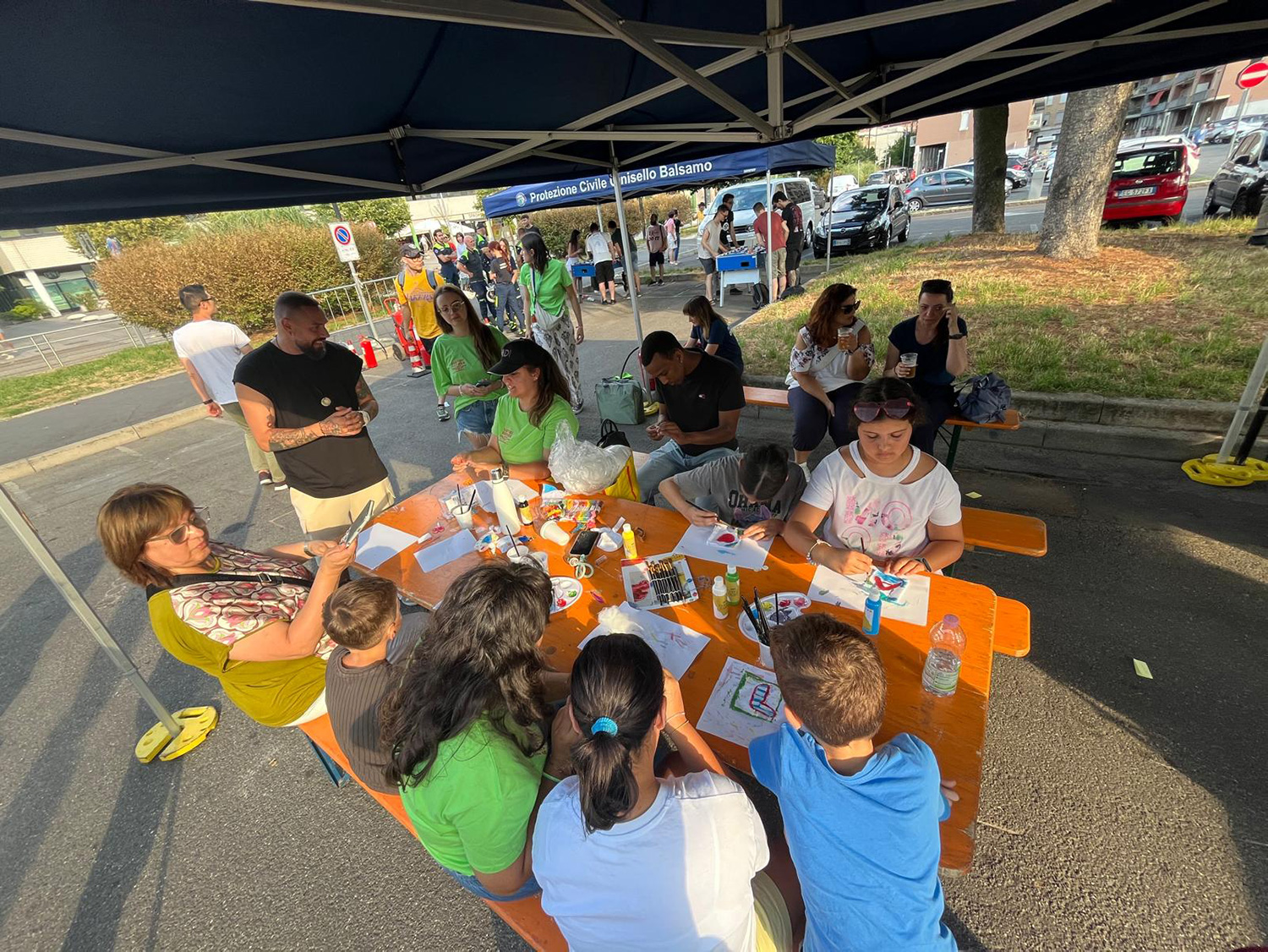
The City of Vodnjan-Dignano is the local government authority which in its local governmental scope conducts the activities of local importance that directly addresses the needs of citizens, and which, among other things, include primary education, cultural activities, physical culture and childcare. The municipality already implemented good practices that work as social aggregators such as community gardens, courses for geronto-homemakers, extended stay at school, soup kitchen, extension of kindergarten group work in afternoon shift.

The Association Ecomuseum “Istrian de Dignan” case-study:
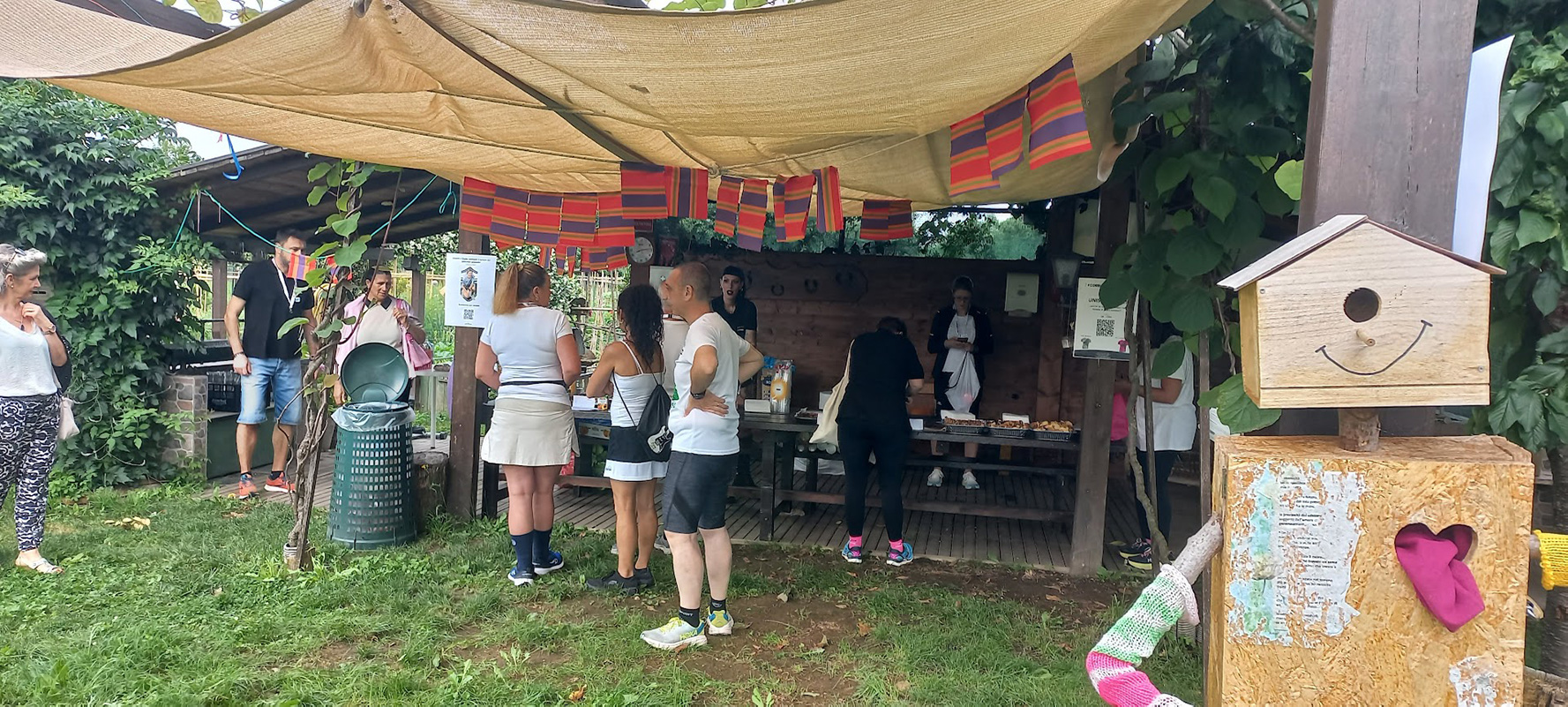
This initiative organised outdoor activities on the farm and in a didactic garden and conducted workshops tailored for people with disabilities, school and preschool children, and farmer.
It provided a safe environment for social interaction and learning outdoors during the challenges of the pandemic as well as promoted the inclusion of diverse social groups and collaborative learning.


Metropolitan City of Milan - Italy
Context:
The metropolitan city of Milan has a population of 3,252,041 people, with a total of 133 metropolitan municipalities.
The three municipalities involved in the SPUR project were Cormano,
Legnano and Cinisello Balsamo, each with its own specificities.
Cinisello Balsamo has, in fact, a seniority index of 163.8, much higher than the national average (148.7); Legnano has a higher incidence of foreign residents compared to the Italian average and seniority index slightly lower than the national level (147.5). While Cormano presents a relatively young population structure compared to the other two municipalities, with a seniority index significantly lower than the national one (141.4).

Expertise and good practices:
Given that the metropolitan city is a sizeable entity, the SPUR project has, by necessity, had to take root in smaller entities. The answers to the questionnaire shared at the municipal level revealed a varied perception of stress and anxiety in relation to the pandemic. Many individuals expressed that their levels of stress remained unchanged; on the other hands, several mentioned an increase in anxiety related to the fear of future pandemics and health issues.
Data shows a relevant variability of stress levels in relation to the age. In fact, young people seem to be more affected on a psychological level than the elder generations.
Data shows a significant impact on academic and professional experiences, particularly regarding remote learning and working conditions. Many individuals expressed difficulties with studying alone and the lack of in-person interactions.
Furthermore, individuals without an independent income seem to have been affected more than those with one. During the COVID-19 pandemic, most participants reported a significant reduction in social interactions, with many losing contacts with friends and experiencing feelings of isolation. While a few found positive value in the situation by reflecting on the importance of relationships, the majority expressed ongoing difficulties in restoring social ties.
In general, people who live alone presented a higher perception of isolation and major difficulties in restoring social ties.

The Legnano’s Civic Library case-study:
Key elements for achieving social well-being include culture, social activities, sports, and environmental quality. While citizens appreciated the efforts of institutions during and after the pandemic, they also noted a rigidity and lack of flexibility, particularly when it came to accessing information and booking services. There is a call to bridge the gap between local government and citizens, creating a municipality that acts as a facilitator, more connected to the community.
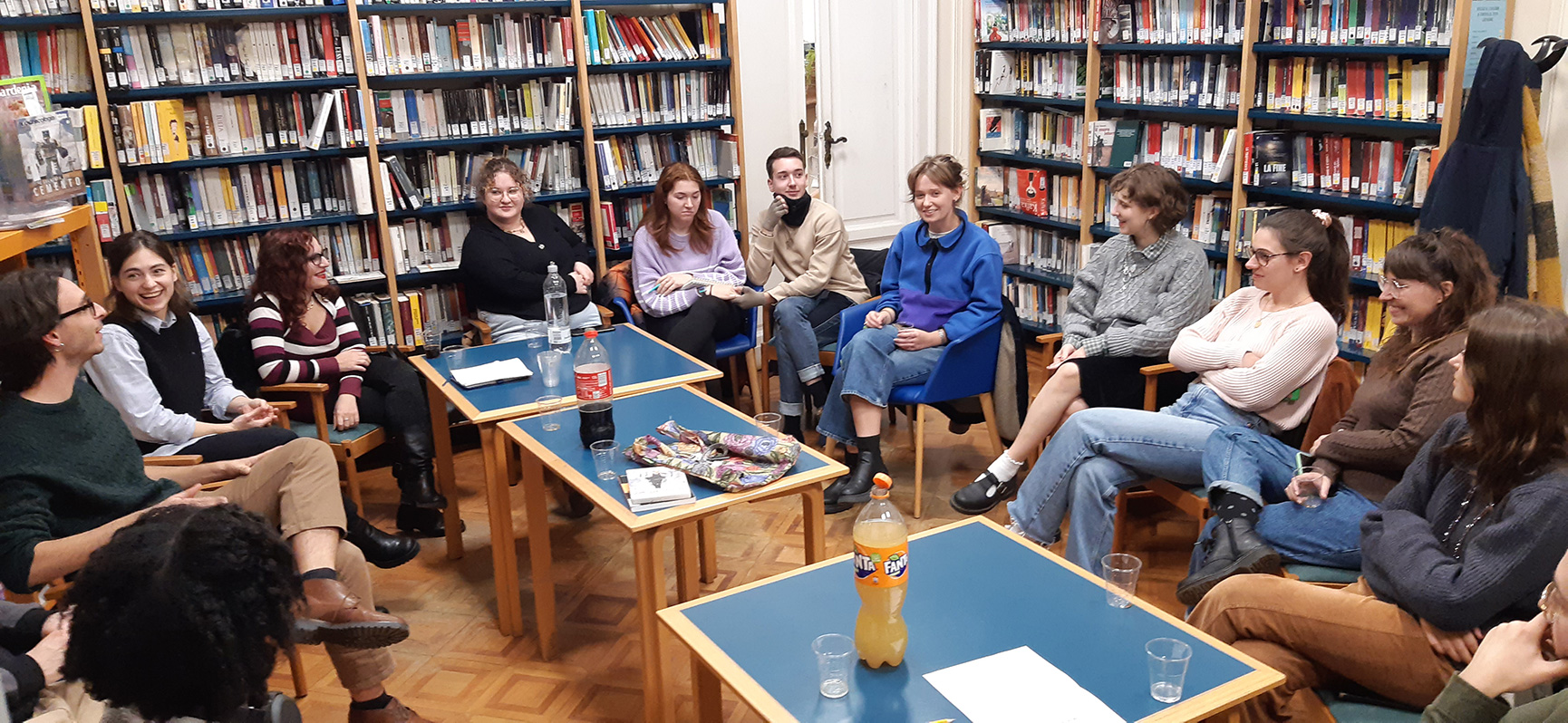
The Civic Library’s continuous and consistent socio-cultural activities, aimed at strengthening the community, serve as a positive example in this sense.

Fondazione Comunitaria Agrigento e Trapani - Italy

Context:
Agrigento is an Italian municipality of 55,317 inhabitants. It has a high unemployment rate of around 20% (compared with a national average of around 7%). The rate of youth depopulation is also worrying, at around 30%, well above the Italian average of 10%. The elderly population accounts for 25% of the total, a slightly higher share than the national average (around 23%).
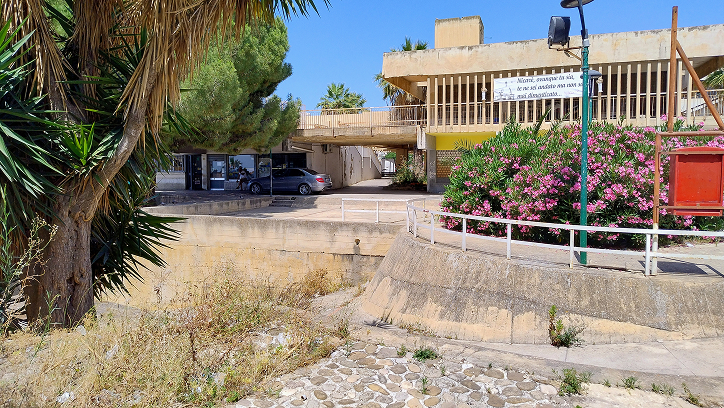
Villaseta, a peripheral area in Agrigento (Sicily) turned from an abandoned place into a revitalised space, where aggregation and culture were available to all.

Expertise and good practices:
Villaseta is Agrigento’s poorest working-class neighbourhood, often cited for events of crime and socioeconomic degradation. The COVID-19 pandemic has exacerbated situations of poverty, lack of community centres especially for young people, and situations of widespread lawlessness. Only the parish remains as a stable educational garrison. Criminal backgrounds, school dropouts, lack of employment and socioeconomic poverty are the challenges in this context. Therefore, interventions will focus on marginalised youth with a possible approach to family.
During and in the post-pandemic period, several good practices have emerged on the opportunity to strengthen social cohesion and inclusion. For example, the Al Kharub social cooperative, founded through a community crowdfunding programme and aiming at creating inclusive and cooperative communities by the means of beekeeping and catering works.

The Social library in Villaseta case-study:
The creation of the social library in Villaseta has transformed an abandoned space into a landmark for the local community, offering a place of aggregation and culture accessible to all.
It has been a laboratory community for the participatory planning of the strengthening and expansion of services, as well as cultural activities aimed at enhancing and promoting the territory, in the name of inclusion and combating any form of marginalization.


Vila Do Conde - Portugal

Context:
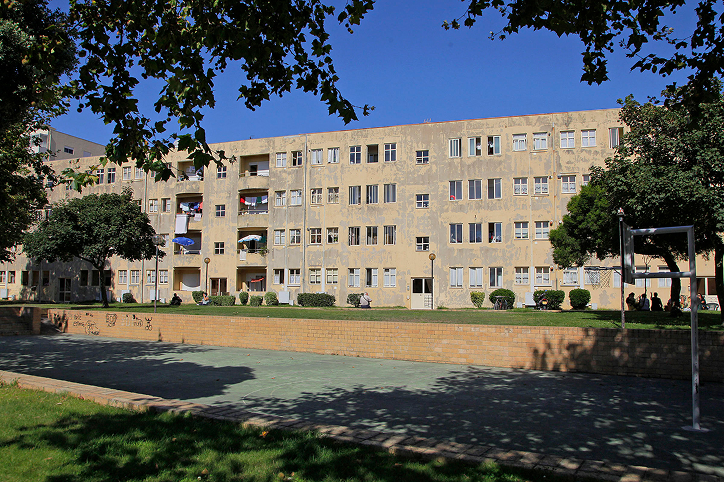
Vila do Conde municipality identified as target the neighbourhoods of Vila
Chã with 66 houses, Cidade Nova with 189 and Farol with 132. Considering the small size of the neighbourhoods, there are not many supporting structures created specifically for them, so it is possible to find the direct effects of the isolation due to the Covid pandemic.
Within these peripheral neighbourhoods, the municipality recognizes youth and elderly from disadvantaged communities and low classes as the most affected by the pandemic. In fact, the lower social classes were more affected because they have less financial capacity and material conditions
to face the difficulties caused.
Some key data: i) The youth index decreased from 483.6 in 1970 to 67.7 in 2021; ii) The aging index increased from 20.7 in 1970 to 147.8 in 2021.

Expertise and good practices:
Two good practices have been implemented in the Municipality within the scope of the municipal Action Plan for Disadvantaged Communities program. PECIS is the PACDVC operation aimed at Active and Healthy Aging promoted through Arts, Culture and Creativity.
Within PECIS (Creative Aging Program with Social Impact) from October 2024 to September 2025, the development of 2 new distinct municipal programs with different objectives and target audiences:

Criativ.Idades Program. New periodic and free offer of activities specifically aimed at people of advanced age (+ 55 years old) who will be able to join/register for free in the short and medium-term initiative plan in formats of 10 workshop sessions, workshops and/or courses briefs promoted by various cultural and artistic agents in the Performing Arts, Fine Arts, Music, Gastronomy, Fashion, Cinema and Audiovisual, Photography and Design, etc. that will be offered to the general public over 55 years old on a quarterly basis, and which do not exist on date in the regular offer in the municipality. In addition, cultural and artistic agents will be providing training to technicians from the IPSS Social Partners of the Vila do Conde Social Network, who must be involved in the intervention in an Action-training logic.

Arte.Senior Program. New municipal program of creative residencies promoted extensively by 4 ‘Territory Curators’ who, in the 2024/2025 biennium, and exploring different disciplinary areas (Music / Creative Writing and Oral Literature / Body and Movement / Theater and Performance, etc.) will be invited to systematically and continuously develop local in- depth work for 9 months with groups of seniors in rural parishes in the municipality who have difficulty accessing artistic goods and products and cultural services and/or equipment. The work to be developed will be guided by the premises of participation and involvement of the local senior community, it will be developed in 3 phases:

Phase 1 – Involvement / Mobilization / Relationship with the Territory and its Community

Phase 2 Co-Creation with the Senior Population of rural parishes covered

Phase 3 – Survey / Local Sharing of Cultural and/or Artistic Object.

The Entre Mãos initiative case-study:
The program, included in the Action Plan for Disadvantaged Communities, also aims to promote the well-being of the municipality’s Senior Community. Its objectives are: Promote new lifestyles and healthy behaviors; promote inclusive intergenerational activities; increase personal appreciation, self-esteem and autonomy and increase the integration and social participation of the senior community.
It is aimed at the senior community in a situation of social isolation.

It has 4 axes of intervention:

  • Basic learning in terms of numeracy and literacy;
  • Inclusion and digital training;
  • Health and occupational therapy;
  • Leisure activities and senior sports.
 

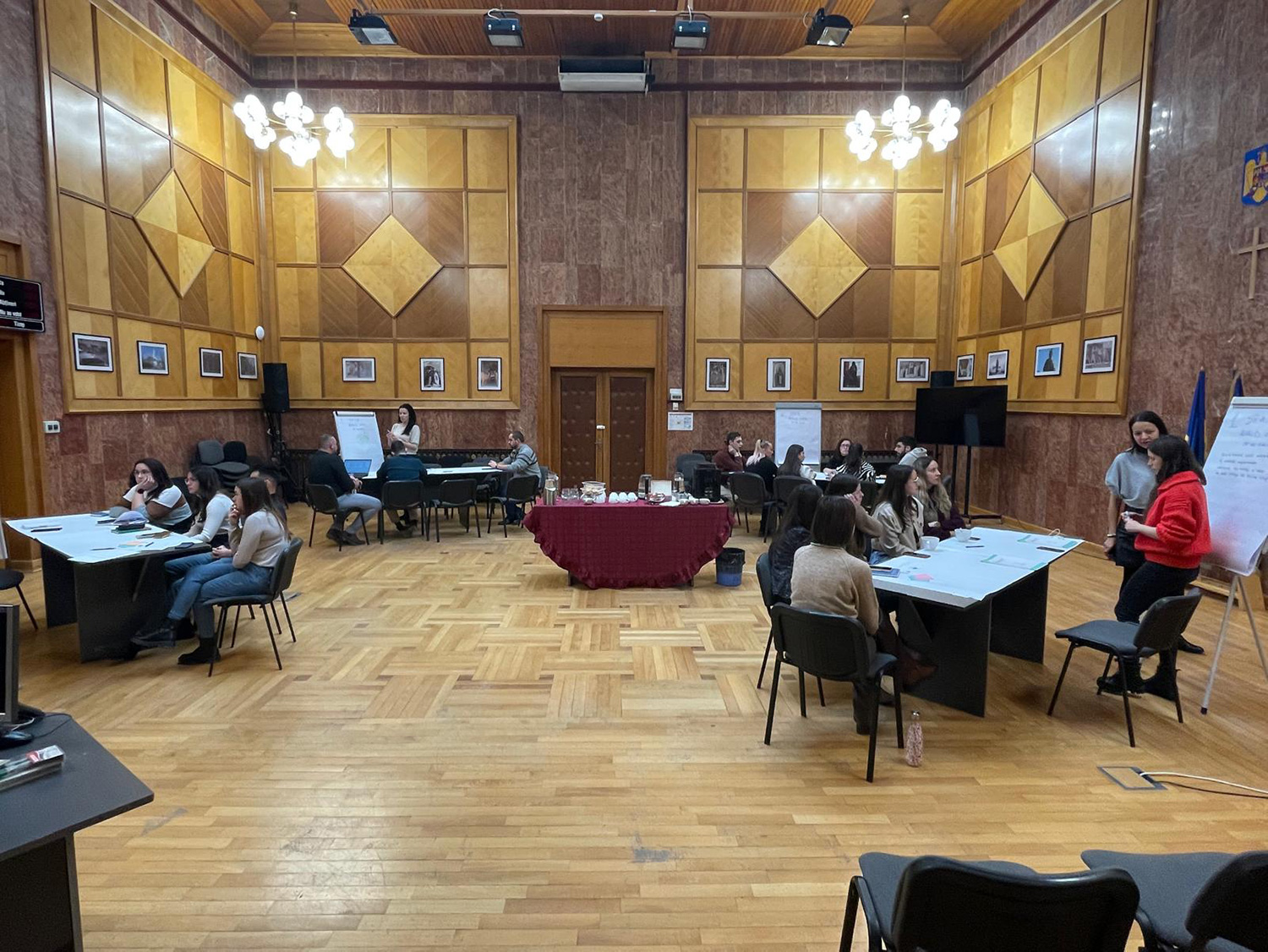
Harghita County - Romania

Context:
Due to the territorial and economic structure Harghita County is a predominantly rural region (lack of large cities, mountainous areas, low population density), relying mainly on agriculture, wood and food processing, public institutions, and tourism, and some IT.
In 2020, the COVID-19 pandemic has created unfortunate contexts and amplified the already existing challenges regarding elderly, youth and population with unfavourable social conditions introducing new challenges for less developed regions.
Harghita City Council has defined various initiatives to respond to these challenges heightened after covid pandemic.

Expertise and good practices:
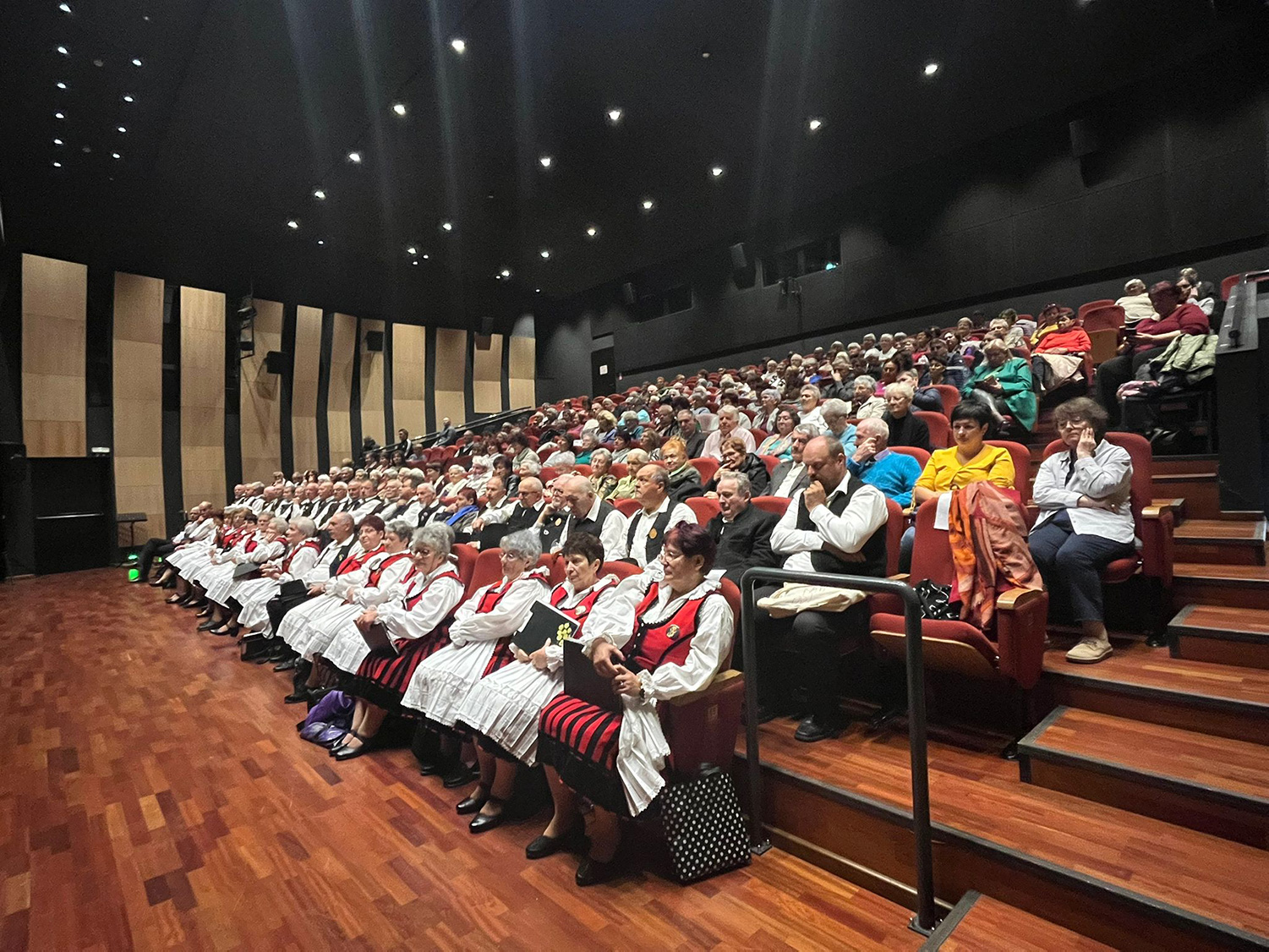
Due to the fact that elderly represented one of the most vulnerable group during the pandemic and the lockdown, Harghita County Council has continued and has launched several initiatives for elderly:
A wide variety of programs were organised by our subordinate cultural institutions, that includes exhibitions, concerts, book launchings and different cultural performances.

  1. Silver Festival: a versatille program series, that includes: sports activities like senior gymnastics and swimming program cultural programs, like guided tours in museums, concerts, theater, movie nights religious programs and services organised for the occasion;
  2. Tender opportunities for organising different activites regarding elderly, with financing provided through the General Directorate of Social Assistance and Child Protection of Harghita County;
  3. Informative lecture series organised within the Szeklerland Academy program for the elderly rural population, regarding topics like health, organic farming, preservation of tradition or healthy nutrition;
  4. Reading clubs, book launchings and basic digital education organised by the Kájoni János County Library;
  5. Exhibitions, concerts, cultural events organised by Harghita County Cultural Center with the occasion of the Early Music Festival, the Szeklerland Days or the Harghita County Days;
  6. Cultural performances (theater, folk dance, classical music performances) organised in the rural areas by Harghita County Cultural Center, where the main public is the elderly rural population.

The Talent Magnet project case-study:
Harghita County Council is also proud to have a Youth Strategy and a list of 101 programs aimed for the youth, from which to mention the most relevant one, we highlighted the Talent Magnet project.
Within this project, Harghita County Council developed the ”Homecoming Harghita” mobile application, where we share useful, targeted information and up to date job offers from all over Harghita County with youth.
The initiative addresses major societal (demographic and labour market) challenges caused by the outmigration of highly-educated young people, primarily from small- and medium sized towns. It aims to launch practical tools to attract and retain talent – tailored to the specific needs of small municipalities.

Municipality of Etterbeek - Belgium

Context:
Etterbeek is a municipality split in two parts, with more affluent neighbourhoods in the North-East, intermediate areas and a zone of poverty in the South-West, which largely covers the ‘Chasse’ district. Etterbeek is one of the 19 municipalities of Brussels. 50% of its 49.000 inhabitants is composed by foreigners (35 % EU and 15% NON-EU, from different countries and backgrounds and with different perspectives of presence) and 11% are more than 65 years old.

Expertise and good practices:
Etterbeek, as a local authority (municipality) in a post-Covid context, focused on improving the living conditions of the disadvantaged populations in the Chasse neighbourhood, in particular through projects to combat the digital divide, foster autonomy/empowerment, well-being and the strengthening of social links. This ambition led them to start a municipal service called Contact Plus, especially dedicated to senior citizens, people with reduced mobility and/or disabilities.

The main services offered by Contact Plus concern support with administrative procedures, psychosocial support, mobility and transport to services, management of volunteers, collaboration with the public centre of social action (CPAS), organisations of outings and activities and implementation of further projects like “Proxibat”(carrying out small works at home like plumbing, painting, etc.) and Seniorsolidaritè (it) (improving the accessibility of neighbourhoods to seniors in terms of services or leisure activities). This centre enables elderly people to break the isolation, to remain active and independent, while benefiting from help, care and entertainment without having to resort to placement in a rest home. Municipality’s activities will focus on elderly both men and women, to widen the participation in already on-going activities and involve them in public consultations aimed to integrate them better in social tissue.

The In’Etterbeek case-study:
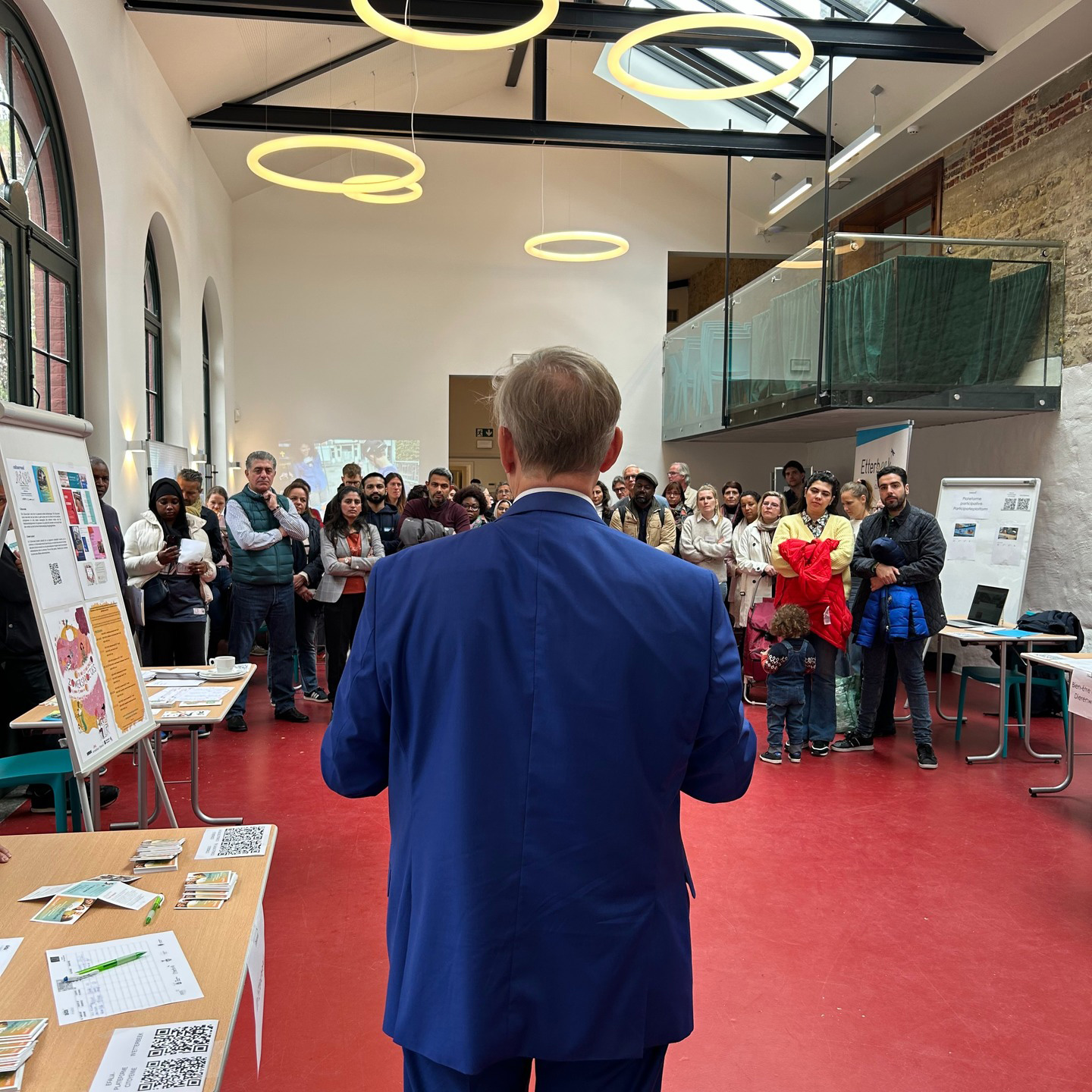
‘In’Etterbeek’ is a new assembly that gives a voice to European and non-European residents of the municipality.
In Etterbeek, 48% of the population is of foreign origin. The municipality has more than 154 different nationalities. It is therefore essential that everyone has a voice. That is why foreign residents are invited to get involved in local life through this new assembly made up of citizens and representatives from the voluntary sector.